
🌿 Introduction
The essential oils industry is booming worldwide — from skincare to aromatherapy, wellness, and even pharmaceuticals. Many entrepreneurs dream of launching their own essential oil brand but hesitate because they don’t own a factory or packaging unit.
Good news — you don’t need one! With the right strategy and supplier partnership, you can easily sell essential oils under your own brand name. In this Sanyuva Guide, you’ll learn how to build your essential oil business both online and offline, using private labeling and trusted manufacturing partnerships.
💡 What Is Private Labeling in Essential Oils?
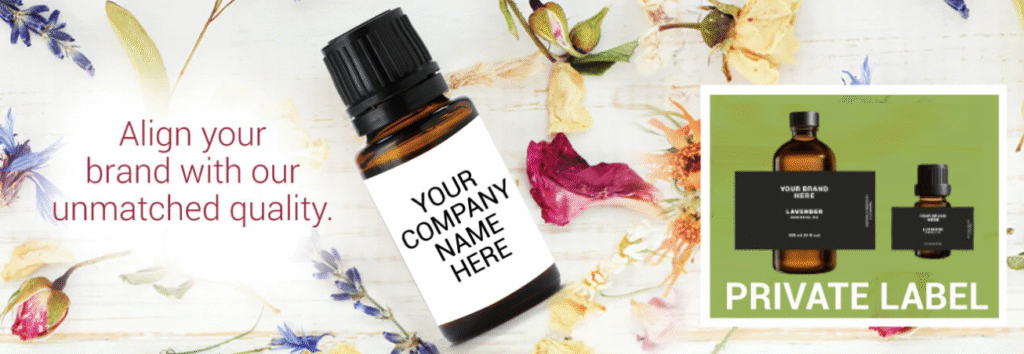
Private labeling means you partner with a manufacturer who produces and packages essential oils for you — but under your brand name.
In simple terms:
· You focus on branding, marketing, and sales.
· Your supplier handles production, quality, and packaging.
This model lets you launch your brand without investing in machinery, licenses, or staff for manufacturing.
✅ Example: Shree Overseas Exports (www.shreeoe.in) is a trusted supplier of pure, natural, and pharma-grade essential oils that also offers private labeling services. They help startups and brands create their own product line effortlessly.
🏭 Step 1: Choose a Reliable Essential Oil Manufacturer
Your supplier is the backbone of your business. Always choose one who offers:
· 100% pure & natural oils (with GC/MS test reports)
· Custom packaging and labeling services
· Low minimum order quantity (MOQ) for startups
· Export-quality standards and certifications
Pro Tip: Visit www.shreeoe.in — a genuine Indian exporter known for premium essential oils and custom branding support, with clientele spread across 40+ Countries.
🏷️ Step 2: Build Your Brand Identity
Even if you don’t manufacture the oils, your brand story is what connects with customers.
Here’s what you’ll need:
· Brand Name & Logo: Example – Sanyuva, meaning “connected with nature.”
· Tagline: Something simple and authentic, like “Pure. Natural. Inspired by Nature.”
· Packaging Design: Your supplier can print your labels and pack oils in custom bottles with your logo.
· Website & Social Media: Showcase your story, product range, and benefits.
A powerful brand identity builds trust and recognition, helping your oils stand out in a crowded market.
📜 Step 3: Legal Formalities to Start Your Brand
To operate professionally, you’ll need basic registrations:
· GST number (for sales & tax compliance)
· Udyam/MSME certificate (for small business recognition)
· Trademark registration (to protect your brand name)
· FSSAI license (if your oils are used for cosmetic or food-grade purposes)
· Import/Export Code (IEC) (for global business expansion)
Your supplier may guide you through basic documentation if needed.
🧴 Step 4: Decide Packaging & Labeling Without a Unit
You don’t need to own packaging equipment. Most manufacturers offer turnkey private labeling — meaning they fill, seal, and label bottles for you.
You just provide:
· Your logo and design file (in PDF or AI format)
· Label text (ingredients, usage, barcode, etc.)
· Desired bottle sizes (10ml, 30ml, 50ml, etc.)
You’ll receive ready-to-sell essential oils, fully packed in your branding.
🌐 Step 5: Build Your Online Store & Digital Presence
The fastest way to sell your essential oils is online.
Here’s how to start:
Platforms:
· Your own website – (Shopify or WordPress + WooCommerce)
· Amazon, Flipkart, Etsy – Private label listings
· Instagram & Facebook Shop – For direct customer engagement
· Google My Business – For local visibility
SEO Keywords to Include:
“pure essential oils,” “natural aromatherapy oils,” “Sanyuva essential oils,” “private label essential oils,” “lavender oil for skin,” “peppermint essential oil uses,” etc.
Consistently share educational content — like DIY recipes, skincare tips, and aromatherapy benefits — to grow organic traffic.
🏪 Step 6: Expand to Offline Channels
Once your brand gains recognition online, start building offline connections:
· Supply to spas, yoga centers, and salons
· Partner with organic stores and wellness boutiques
· Offer sample kits to aromatherapists and beauty clinics
· Set up stalls at local fairs and wellness events
Distribute business cards, brochures, and small tester bottles to promote your brand.
🌱 Step 7: Maintain Quality & Transparency
Customers trust brands that value purity and transparency. Always highlight:
· 100% natural, undiluted oils
· Chemical-free and cruelty-free production
· Source origin and test reports (from your supplier)
For instance, Shree Overseas Exports provides batch-wise quality certifications, ensuring every bottle you sell under your brand is genuinely pure and authentic.
📈 Step 8: Scale Your Business
Once you gain consistent customers, you can grow your product line:
· Add carrier oils (jojoba, almond, coconut)
· Offer blends and diffuser oils
· Introduce gift sets or wellness kits
· Explore international export through online B2B portals
Gradually, you can reinvest profits to create your own mini packaging setup later if you wish.
💬 Bonus Tip: Content & Community = Long-Term Growth
Create a blog (like the Sanyuva Blog) where you share:
· Educational posts on essential oil uses
· Skin and wellness tips
· Customer testimonials
· Video tutorials on DIY blends
This builds organic reach and positions your brand as a trusted expert in the essential oil space.
🌸 Conclusion
You don’t need a factory to build a successful essential oil brand — just the right supplier, brand identity, and marketing strategy.
With private labeling from a trusted partner like Shree Overseas Exports (www.shreeoe.in), you can focus on what truly matters: branding, storytelling, and customer relationships.
Whether you start online or offline, remember:
Consistency, authenticity, and quality build the strongest brands — and that’s what Sanyuva stands for.