
Introduction
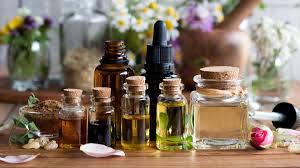
Essential oils have become a cornerstone of innovation in the modern cosmetic industry. Derived from aromatic plants, these concentrated natural extracts offer a perfect blend of therapeutic benefits, fragrance, and functional properties. As the demand for clean, sustainable, and plant-based ingredients rises, cosmetic manufacturers are increasingly turning to essential oils as key components in skincare, haircare, and personal care formulations. These oils not only enhance product performance but also align with consumer preferences for transparency, purity, and eco-conscious beauty solutions.
This article explores what essential oils are, how they’re sourced, their benefits, diverse cosmetic applications, and the growing market trends shaping their use in the global beauty industry.
What Are Essential Oils?
Essential oils are volatile, aromatic compounds extracted from various parts of plants — including flowers, leaves, bark, roots, and peels. Each oil carries a unique composition of natural chemicals responsible for its characteristic scent and therapeutic benefits. For example, lavender oil is known for its soothing properties, tea tree oil for its antibacterial effects, and rose oil for its rejuvenating and moisturizing capabilities.
In cosmetics, essential oils serve dual purposes: they act as functional ingredients (enhancing skin or hair health) and as sensory enhancers (adding fragrance and emotional appeal to products).
Sourcing and Extraction of Essential Oils
The quality and efficacy of essential oils depend largely on how they are sourced and extracted. Ethical sourcing and sustainable farming practices are crucial for maintaining both purity and environmental balance.
- Plant Cultivation:
High-quality essential oils come from carefully grown plants, often cultivated in specific climates or regions suited to their botanical needs. Organic farming is preferred to ensure no pesticide residues affect the oil’s integrity. - Extraction Methods:
- Steam Distillation: The most common method, ideal for flowers, leaves, and stems.
- Cold Pressing: Used mainly for citrus peels to preserve their delicate aromatic compounds.
- Solvent or CO₂ Extraction: Applied for heat-sensitive materials like jasmine or vanilla, producing high-quality aromatic oils.
- Quality Control:
After extraction, essential oils undergo rigorous testing for purity, including GC/MS analysis, to ensure they meet industry standards for cosmetic formulations.
Sustainable sourcing not only protects biodiversity but also supports fair trade practices for farmers and communities involved in the cultivation process.
Benefits of Essential Oils in Cosmetics
Essential oils bring multiple benefits that make them highly desirable in cosmetic formulations. These benefits can be broadly categorized into skin health, hair care, fragrance, and wellness support.
1. Skin Nourishment and Repair
Many essential oils possess antioxidant, anti-inflammatory, and antimicrobial properties that support healthy skin.
- Lavender oil helps calm irritation and promote relaxation.
- Tea tree oil is effective in reducing acne due to its antibacterial action.
- Rose oil and geranium oil improve elasticity and hydration, making them ideal for anti-aging formulations.
2. Hair and Scalp Health
Essential oils like rosemary, peppermint, and cedarwood stimulate scalp circulation and promote hair growth. They also help control dandruff and maintain a healthy scalp environment.
3. Natural Fragrance and Aromatherapy
Essential oils provide a natural alternative to synthetic fragrances. Beyond their scent, they also enhance emotional well-being — citrus oils uplift mood, while sandalwood and ylang-ylang promote calmness and relaxation.
4. Antioxidant and Protective Properties
Many oils, such as frankincense and clary sage, contain natural antioxidants that protect the skin from free radical damage and premature aging. They also help improve cell regeneration and overall skin tone.
5. Eco-Friendly and Sustainable Appeal
As consumers grow more environmentally conscious, the use of essential oils supports the clean beauty movement. They are biodegradable, naturally derived, and align perfectly with the “green cosmetics” philosophy.
Applications of Essential Oils in Cosmetic Products
Essential oils are incredibly versatile and can be found across various cosmetic categories:
- Skincare:
Used in creams, serums, toners, and facial oils for moisturizing, anti-aging, and soothing effects. For instance, chamomile oil calms sensitive skin, while lemon oil brightens dull complexions. - Haircare:
Added to shampoos, conditioners, and hair serums to strengthen roots, reduce dandruff, and improve shine. Rosemary and peppermint oils are particularly popular for stimulating hair growth. - Body Care:
Featured in lotions, body butters, and massage oils to hydrate skin and provide a pleasant aroma. Eucalyptus and lemongrass oils are common for invigorating body care lines. - Aromatherapy and Spa Products:
Essential oils play a vital role in aromatherapy diffusers, bath salts, and spa treatments, enhancing mood and promoting relaxation. - Perfumes and Deodorants:
Natural perfumes and deodorants increasingly rely on essential oils as a non-toxic fragrance base, reducing the need for artificial chemicals.
Market Trends and Consumer Insights
The global essential oils market in cosmetics is growing rapidly, driven by a shift toward natural and organic beauty products. Consumers are more aware of ingredient transparency and sustainability, leading brands to highlight essential oils in their marketing and product formulations.
Key Trends:
- Rise of Clean Beauty: Demand for non-toxic, eco-friendly products is fueling the use of essential oils over synthetic chemicals.
- Aroma therapeutic Cosmetics: The fusion of skincare and wellness has led to products that not only beautify but also uplift mood.
- Customization: Brands are formulating personalized blends tailored to specific skin types and preferences.
- Sustainability and Traceability: Ethical sourcing and clear supply chains are becoming key purchase factors for conscious consumers.
According to market research, the essential oils segment in cosmetics is expected to grow steadily, driven by consumer preference for authenticity, purity, and holistic benefits.
Challenges and Considerations
Despite their popularity, using essential oils in cosmetics requires precision and expertise.
- Concentration Levels: Essential oils are potent and must be properly diluted to avoid irritation or sensitization.
- Stability Issues: Some oils are sensitive to light and temperature, requiring careful formulation and packaging.
- Allergies: Patch testing is recommended to prevent potential allergic reactions.
- Sustainability: Overharvesting of certain plants, such as sandalwood, poses environmental concerns that must be addressed through responsible sourcing.
Manufacturers are overcoming these challenges with advanced extraction methods, synthetic biology alternatives, and strict quality control measures.
Conclusion
Essential oils have evolved from ancient remedies to modern cosmetic essentials. Their natural composition, therapeutic properties, and sensory appeal make them indispensable in skincare, haircare, and personal wellness products. As the beauty industry continues to embrace sustainability and holistic well-being, essential oils will remain at the heart of innovation — offering both performance and purity.
For cosmetic formulators and manufacturers, investing in ethically sourced, high-quality essential oils not only enhances product efficacy but also strengthens brand trust and consumer loyalty, One such supplier is Shree Overseas Exports India (www.shreeoe.in), they have separate GMP & ISO Certified facility to produce essential oils. Their facility is well equipped well equiped with latest machineries, like distillation plants, fully automatic packaging machines, like bottles filling, labeling, coding, etc.. The future of cosmetics is undoubtedly green, aromatic, and powered by nature’s essence.